Why Founder-Led Businesses and Online Communities are the New Formula for AI-Native Unicorns

Let me start today's article with a powerful question:
If you had $100,000 to invest in your new tech startup, where would you put it: paid online advertisements, or building a robust community?
For decades, the standard playbook for software businesses involved an endless cycle of optimising marketing campaigns and paid ads via platforms like Google and LinkedIn.
💡 Today, however, the strategies for rapid growth are changing forever.
We are entering an era where culture is replacing traditional marketing strategies faster than ever before.
🔁 This shift is crucial, especially for companies using Artificial Intelligence (AI) as their core product.
This is why today I want to bring a breakdown of why online communities and founder-led growth are dominating the landscape for successful AI-native companies.
1. The Flawed Economics of Traditional Acquisition
Historically, customer acquisition was a marketing problem, relying on strategies like SEO, paid content, and elaborate acquisition funnels.
Even during the shift to Product-Led Growth (PLG) - where users self-register and the product itself becomes the distribution channel (like Zoom or Canva) - companies still used aggressive sales and marketing tactics.
While PLG was highly effective, reducing the cost of customer acquisition (CAC) by 30-50%, the economics of AI-first companies have introduced a new challenge: infrastructure costs. ☁️
For AI-first businesses whose product depends on Large Language Models (LLMs), the operating margin is lower (around 60% in the best cases) compared to traditional B2B software (80-90%).
Since traditional marketing costs have been largely curtailed by PLG and growth loops, the primary expenses now stem from computing and cloud infrastructure for LLMs.
💡 The takeaway? These companies can no longer afford to wait for slow, traditional marketing departments to finish quarterly roadmaps. They need hyper-efficient, intrinsically viral acquisition.
2. Lovable's Playbook: Investing in Culture over Acquisition
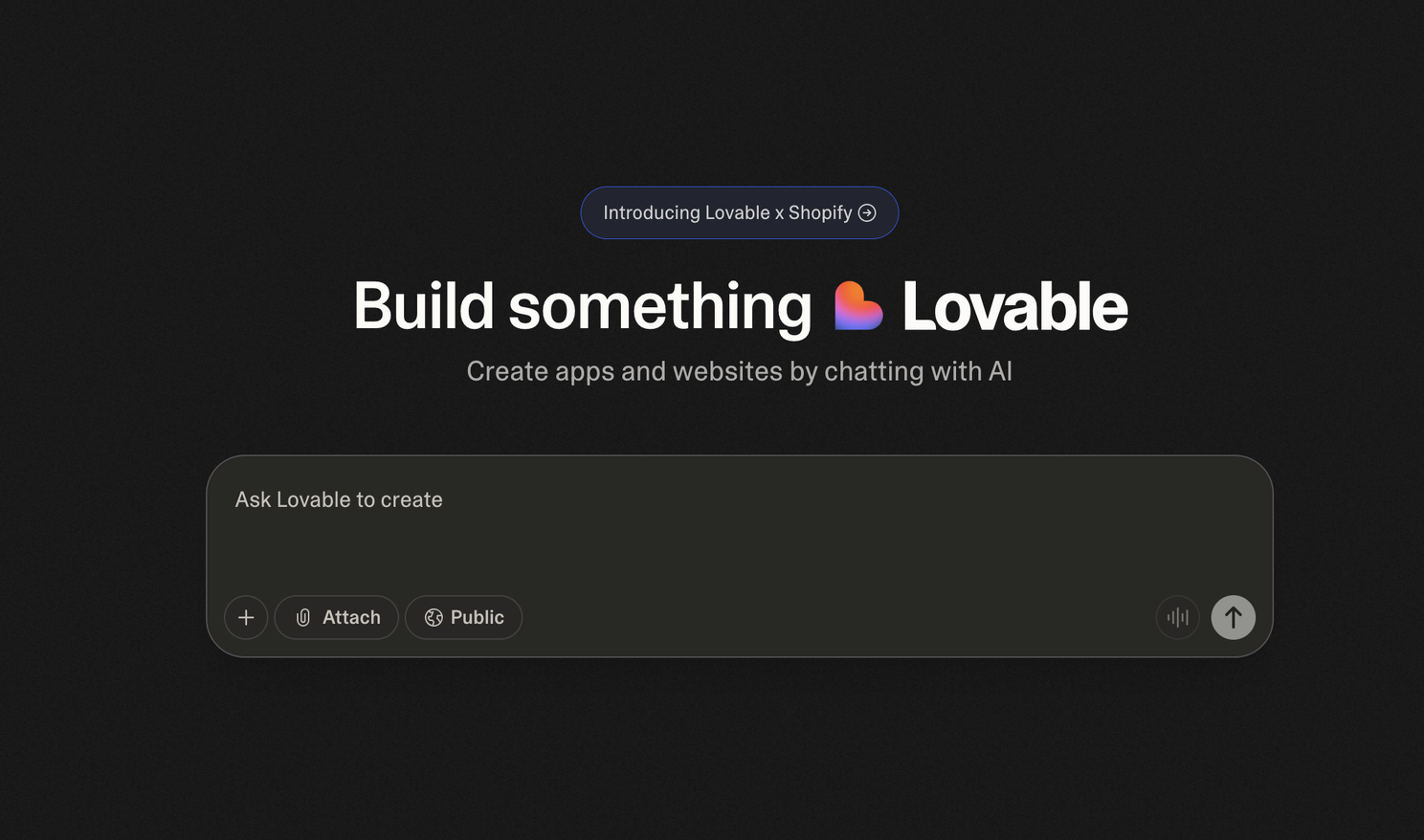
The growth of Lovable - the fastest company in history to achieve unicorn status - perfectly exemplifies this transition.
Instead of traditional ad buys, Lovable invested in culture by sponsoring a prominent chess company founded by Magnus Carlsen.
Why chess?
Lovable recognised that traditional growth no longer works in the AI era.
They are not chasing casual users; they are investing in partnerships and culture that already encompass their ideal customer: potential founders and developers.
The chess community is analytical, global + a highly committed cultural ecosystem.
By investing here, Lovable ensures their brand aligns with a culture that values ambition, dedication, and analysis - the same traits they seek in ‘developer-founders’ (a.k.a. builders).
This strategy allows the community to become intrinsic to the product, increasing customer retention and Lifetime Value (LTV).
3. The Founder as the Brand: Authenticity as the New Currency
A critical complementary trend is the rise of founder-led businesses, where the founder becomes the visual image and brand face. This shift embraces the Creator Economy.
Founders are increasingly documenting their building processes publicly on platforms like LinkedIn, turning their profiles into manuals on how to create a software company.
Anton, the founder of Lovable, exemplifies this, boasting over 100,000 followers by documenting his company’s creation process.
Recently, he even shared the story of how they came up with a Shopify Integration based on a candidate's email:
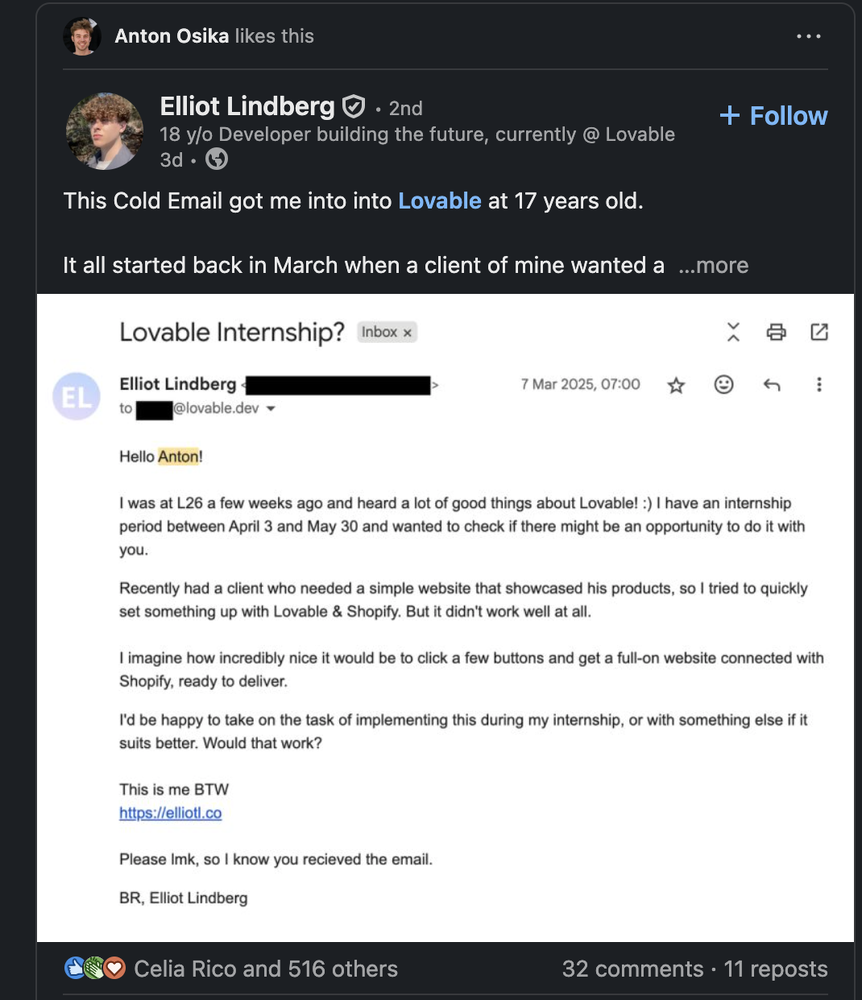
In an era where AI can effortlessly generate content, copy websites, and falsify information, authenticity has become the most important currency.
The product and the founder’s values must be inseparable; the founder must become the brand.
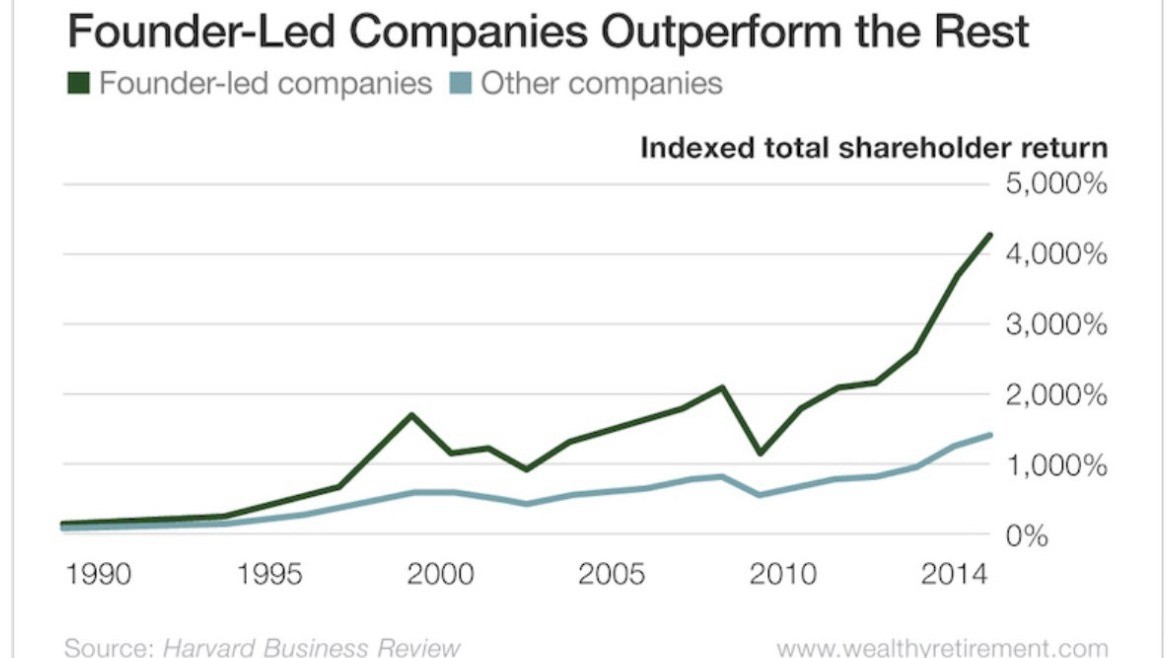
The data backs this up: Content created by founders generates a return on investment (ROI) up to 13 times greater than content produced by the company’s brand image.
How I'm leveraging my own Tech Community
Something I've powerfully noticed being the founder of a Tech company and having my personal brand is how all my community members share a desired identity: not only they want to improve their professional careers internationally, but are also incredibly passionate on building products as well.
I've started adopting the building in public mindset as well!
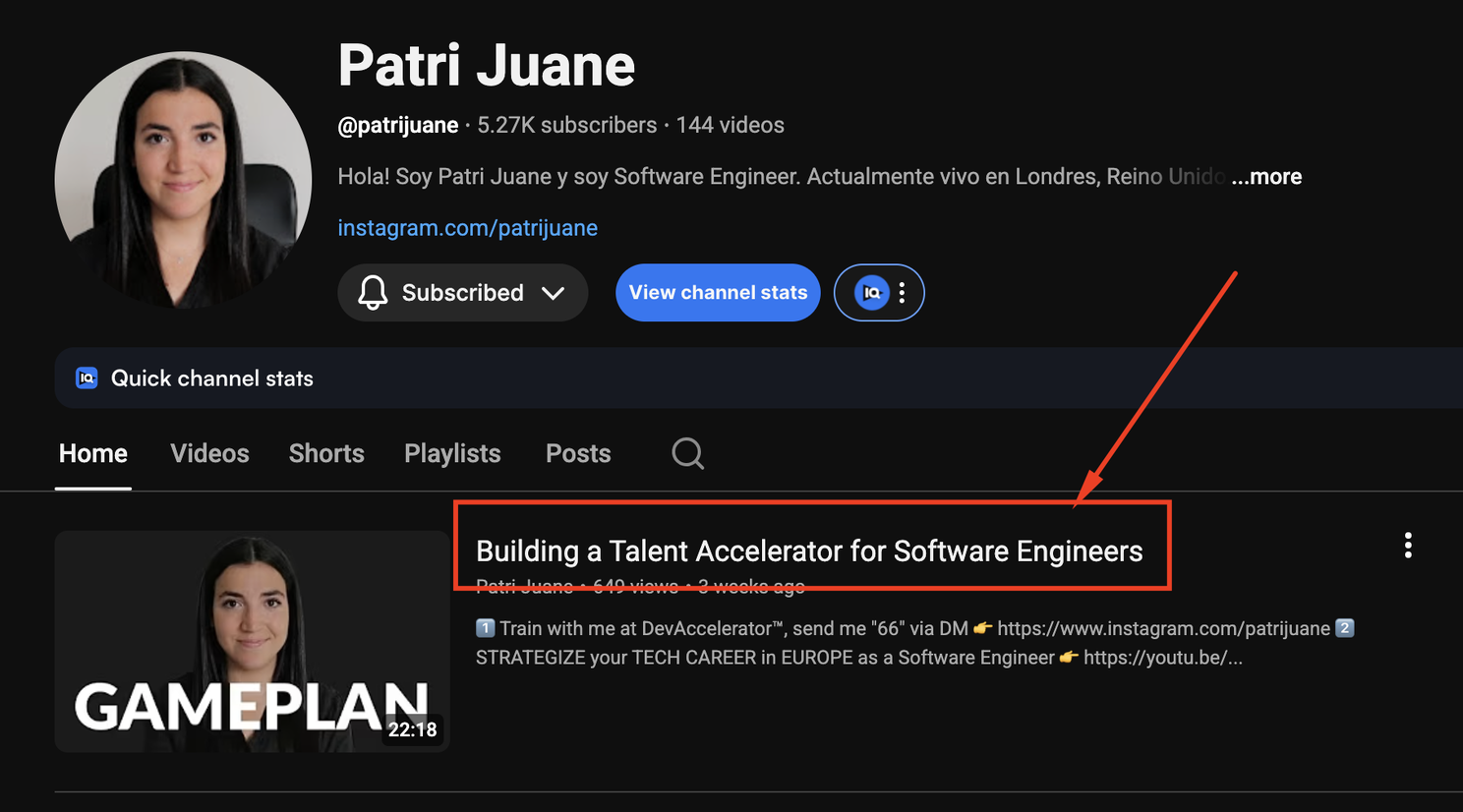
Besides, most recently, our community members started building software projects together whilst leveraging AI, as part of our new initiative, The Startup Experience™.
My Conclusion
We have passed from a focus on retention (pre-2020) to scaling revenue through PLG (during the pandemic) to a current objective of simply surviving the high computation costs of AI infrastructure.
To thrive in the AI-first economy, the winning strategy is clear: focus on culture, community, and authenticity. Organic, compounded interest provided by communities and the scalable narrative of the Creator Economy drives down acquisition costs and allows for far greater growth.
So, I ask again: if you had £100,000 for your AI startup, where would you invest it? In a community and culture, or in online ads?
To me, the answer is quite obvious.
Recent Articles
Keep reading stories of teams that grew with us.