Building a Motion Detection Mobile App
What happens when you put together:
✅ A Senior Engineer: Carlos Villamil (having worked for companies such as Mercado Libre (Bogotá 🇨🇴)
✅ A QA Automation Specialist transitioning into AI: Vanesa Carolina Loaiza Carvajal (London 🇬🇧)
✅ And a Junior Developer looking for his first job: Tomas Ortega Palencia (Toronto 🇨🇦)
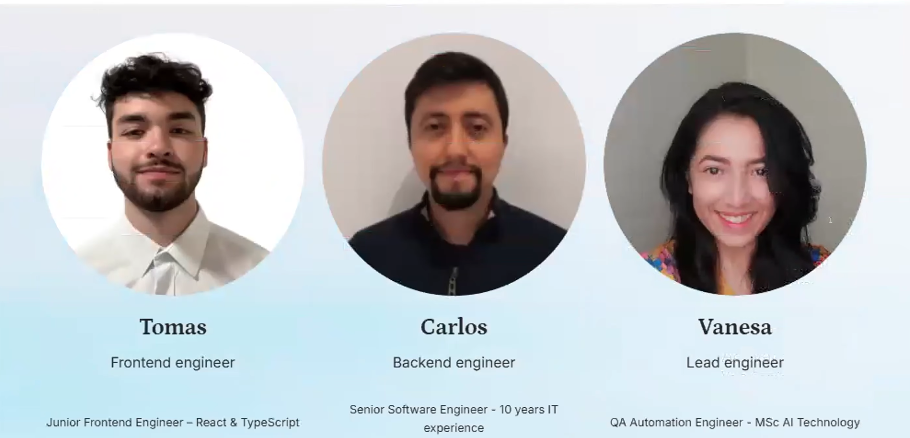
From three different time zones…
And give them 2 months to build a product?
You get MOTUS - an AI-powered mobile app that uses motion detection to guide and evaluate physical exercise.
And more importantly…
You get a blueprint for how modern engineers should think in 2026.
💡 The Idea: Solving a Real Problem First
Before writing a single line of code, the team focused on one thing:
👉 Defining the problem clearly
“If we have the problem clear, we already have half the project.”
They identified a powerful and underserved use case:
👴 Helping people aged 50–65 maintain mobility and independence through guided exercise at home.
Not fitness for aesthetics. Not performance.
👉 Longevity, balance, and quality of life.
That clarity shaped everything that followed.
📱 The Product: MOTUS
MOTUS is not just another fitness app.
It combines:
- 📊 Simple onboarding adapted to user conditions
- 🎯 Personalised exercise routines
- 🎮 Gamification (streaks, progress tracking)
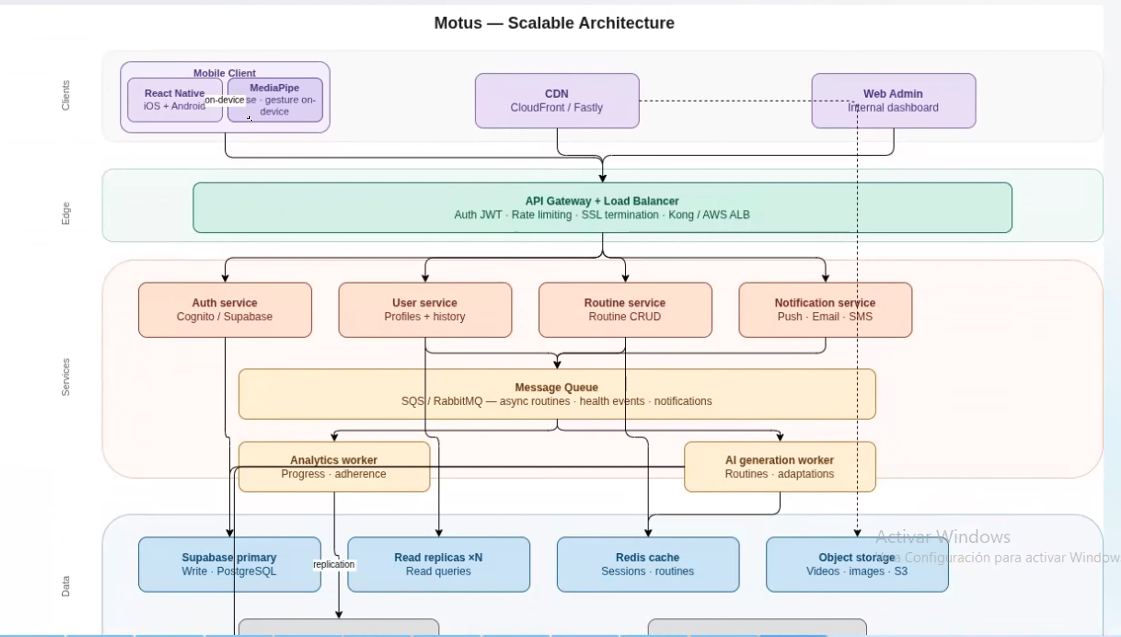
- 🤖 AI-powered motion detection (MediaPipe)
The real differentiator?
👉 The app doesn’t just show exercises - it evaluates them in real time.
- Detects body movement
- Validates posture and execution
- Counts repetitions
- Tracks balance and hold time
“It’s a guide that helps you start - and ensures you’re doing it correctly.”

🧠 The Real Win: Thinking Like Product Engineers
What made this team stand out wasn’t just the tech.
It was how they approached building.
1. They Built for Users, Not for Code
They simplified everything:
- One question per screen onboarding
- Clear UX for older users
- Minimal friction
👉 They didn’t over-engineer. They focused on usability.
2. They Made Smart Technical Decisions
One key decision:
👉 Integrating motion detection directly into the mobile app
Why?
- Faster response times
- Better user experience
- Reduced latency
“We didn’t just use the library - we had to experiment, fail, and figure it out.”
This is where engineers become systems thinkers.
3. They Worked Like a Real Startup Team
Despite being in different countries:
- Weekly sync meetings
- Async collaboration
- Task tracking (epics → stories → tickets)
- Code reviews between teammates
And most importantly:
“It didn’t feel like work. It felt like building something meaningful together.”
🤖 AI Didn’t Replace Them - It Amplified Them
“AI helps with repetitive tasks. Engineers focus on thinking and architecture.”
They used:
- Existing AI libraries (MediaPipe)
- Tools to accelerate development
- Iteration to refine ideas
But the value came from 👉 Understanding what to build - not just how to build it
💥 The Hardest Part (And the Most Important One)
Surprisingly, the biggest challenge wasn’t technical.
It was:
👉 Defining the problem and integrating everything together
- Aligning on the right use case
- Learning new tools from scratch
- Making components work as a system
“Once we unlocked the first step, everything became easier.”
That’s true for most projects.
🚀 What This Means for Engineers in 2026
This story highlights a major shift:
The best engineers are no longer just coders.
They are:
- Product thinkers
- Problem solvers
- System designers
- AI-assisted builders
And most importantly, they build things that matter
🔑 Key Takeaways
If you’re a software engineer today, take this seriously:
- Start with the problem, not the tech
- Build products, not just projects
- Use AI as leverage, not a shortcut
- Collaboration > individual brilliance
- Execution beats perfection
Final Thought
Team MOTUS didn’t just win our project-building competition.
They demonstrated what modern software engineering looks like:
👉 Small teams 👉 Clear problems 👉 Fast execution 👉 Real impact
And that’s exactly what companies are hiring for today.
Results that speak for themselves
Engineers
Months
Winning Team


